
From gridlock to teamwork
Most couples arrive with the same fight on repeat: one pursues, one withdraws, both feel unheard. Using Emotionally Focused Therapy and Gottman-informed methods, we slow that cycle down, name what's really happening underneath, and practice a new way through it — live, in the room.
Both partners get equal airtime. Sessions are balanced, structured, and focused on change you can feel at home within weeks, not years.
- Communication repair & de-escalation skills
- Rebuilding trust after betrayal or rupture
- Parenting, in-laws & intercultural navigation
- Premarital counseling & big decisions
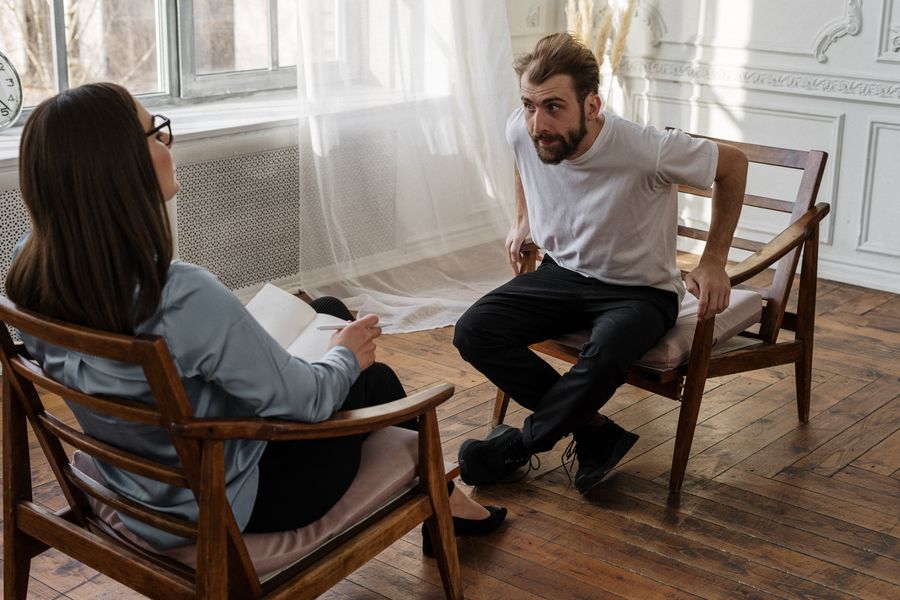
How couples work unfolds
Structured, balanced, practical
1. Map the cycle
A joint session plus one individual meeting each, so I understand the pattern from both sides — and so do you.
2. Change the dance
Weekly 60–75 minute sessions to interrupt the old loop, voice unmet needs safely, and practice repair in real time.
3. Protect the gains
Consolidation sessions spaced further apart, with a shared plan for future flashpoints — and booster visits anytime.

When to come in together
The best time is when you're stuck but still care — not when you've already decided. Couples therapy helps most with recurring conflict, emotional distance, trust injuries, parenting clashes, and the strain of new parenthood, relocation, or blended families.
Session facts
60–75 minutes, usually weekly · Both partners attend together · In person or by secure video · Most couples feel a shift within 4–6 sessions.
Couples therapy, answered
No. I side with the relationship — meaning I may challenge each of you at different moments, but always in service of the partnership, never to declare a winner.
Yes — affair recovery is a core part of this work. We stabilize first, then rebuild honesty and trust step by step, at a pace the hurt partner can tolerate.
Start alone. Individual sessions focused on the relationship often shift the dynamic enough that partners choose to join later — and if not, you'll still be clearer and stronger.